Under Eye Bag Surgery in Seoul, Korea
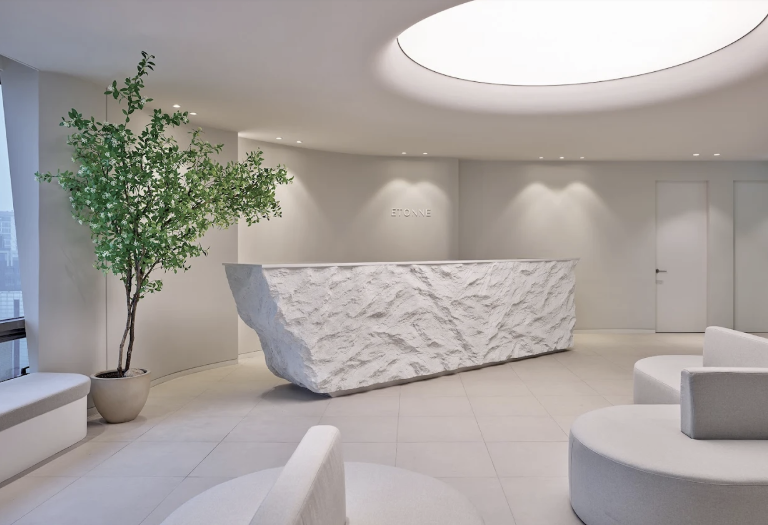
Gangnam Etonne Plastic Surgery
Eliminate Under-Eye Bags With Advanced Eye Bag Surgery in Korea
Under eye bag surgery is one of the most popular facial rejuvenation procedures in Korea for patients who want to reduce puffiness, smooth the under-eye area, and achieve a more youthful appearance. Korean plastic surgeons use modern techniques that focus on preserving natural facial volume while minimizing visible scarring, making Korea a leading destination for under-eye rejuvenation.
What Is Under Eye Bag Surgery?
Under eye bag surgery is a procedure that reduces or corrects prominent bags beneath the eyes by removing, repositioning, or redistributing excess fat. Depending on your skin condition, the surgeon may also tighten loose skin and supporting tissues to create a smoother lower eyelid contour.
The surgical approach is customized based on your anatomy, age, and aesthetic goals.
It is often combined with:
- Lower eyelid fat repositioning
- Lower blepharoplasty
- Fat grafting
- Laser skin resurfacing
- Mid-face lift
Who Is a Good Candidate?
You may be a suitable candidate if you have:
- Prominent under-eye bags
- Puffy lower eyelids
- Tear trough hollows
- Loose lower eyelid skin
- A tired or aged appearance
- Good overall health with realistic expectations
The procedure is suitable for both younger patients with hereditary eye bags and older patients with age-related lower eyelid changes.
Benefits of Under Eye Bag Surgery in Korea
- Reduces under-eye puffiness
- Creates a smoother lower eyelid contour
- Restores a younger, more refreshed appearance
- Improves the transition between the eyelid and cheek
- Produces natural-looking results
- Uses advanced scar-minimizing techniques
- Customized treatment for each patient's anatomy
How the Procedure Works
1. Consultation & Under-Eye Assessment
The surgeon evaluates fat distribution, skin elasticity, tear trough depth, lower eyelid support, and facial proportions to determine the most appropriate surgical approach.
2. Anesthesia
Most procedures are performed under local anesthesia with light sedation, although general anesthesia may be recommended for combined facial surgeries.
3. Eye Bag Correction
Common techniques include:
- Removal of excess orbital fat
- Lower eyelid fat repositioning
- Tightening of loose lower eyelid tissues
- Removal of excess skin when necessary
- Transconjunctival surgery for patients without excess skin
The technique is selected according to the cause of the eye bags and your individual treatment goals.
4. Closure & Final Contouring
The surgeon carefully reshapes the lower eyelid to achieve a smooth, natural transition between the lower eyelid and the cheek. Incisions are hidden inside the eyelid or just beneath the lower lash line whenever possible.
Recovery & Downtime
- Swelling and bruising: 1–2 weeks
- Suture removal: Around 5–7 days (if external incisions are used)
- Return to daily activities: Within 1–2 weeks
- Exercise: After approximately 3 weeks
- Final results: 3–6 months
Most patients notice a fresher appearance soon after surgery, with continued improvement as the tissues heal and swelling gradually resolves.
Possible Side Effects
While complications are uncommon, possible side effects include:
- Swelling
- Bruising
- Mild discomfort
- Temporary dry eyes
- Temporary tearing
- Temporary numbness
- Infection (rare)
Following your surgeon's post-operative care instructions helps promote smooth healing and long-lasting results.
How Long Do Results Last?
Under eye bag surgery provides long-lasting rejuvenation. Although the natural aging process continues, most patients enjoy smoother, less puffy under-eye contours for many years after surgery.
Cost Range in Seoul, Korea
The cost depends on the surgical technique, whether fat repositioning or skin removal is required, and if additional rejuvenation procedures are performed.
Typical price ranges include:
- Transconjunctival eye bag surgery: ₩1,500,000 – ₩3,000,000 KRW
- Eye bag surgery with fat repositioning or skin tightening: ₩2,500,000 – ₩5,500,000+ KRW
(Exact pricing depends on your under-eye anatomy, surgical technique, and personalized treatment plan.)
Frequently Asked Questions
What causes under-eye bags?
Under-eye bags are commonly caused by aging, weakening of the tissues supporting the orbital fat, genetics, and loss of skin elasticity. These changes allow fat beneath the eyes to become more prominent.
What is the difference between eye bag surgery and lower blepharoplasty?
Eye bag surgery focuses primarily on reducing or repositioning under-eye fat. Lower blepharoplasty is a more comprehensive procedure that may also include skin removal, tissue tightening, and correction of lower eyelid laxity.
Will the scars be visible?
In many cases, the incision is placed inside the lower eyelid (transconjunctival approach), leaving no visible external scar. When skin removal is necessary, the incision is usually hidden just below the lower eyelashes.
Can under-eye bags come back after surgery?
The treated fat is permanently removed or repositioned, so the same eye bags typically do not return. However, natural aging continues, and new age-related changes may gradually develop over time.